
Banks and the collapse of biodiversity
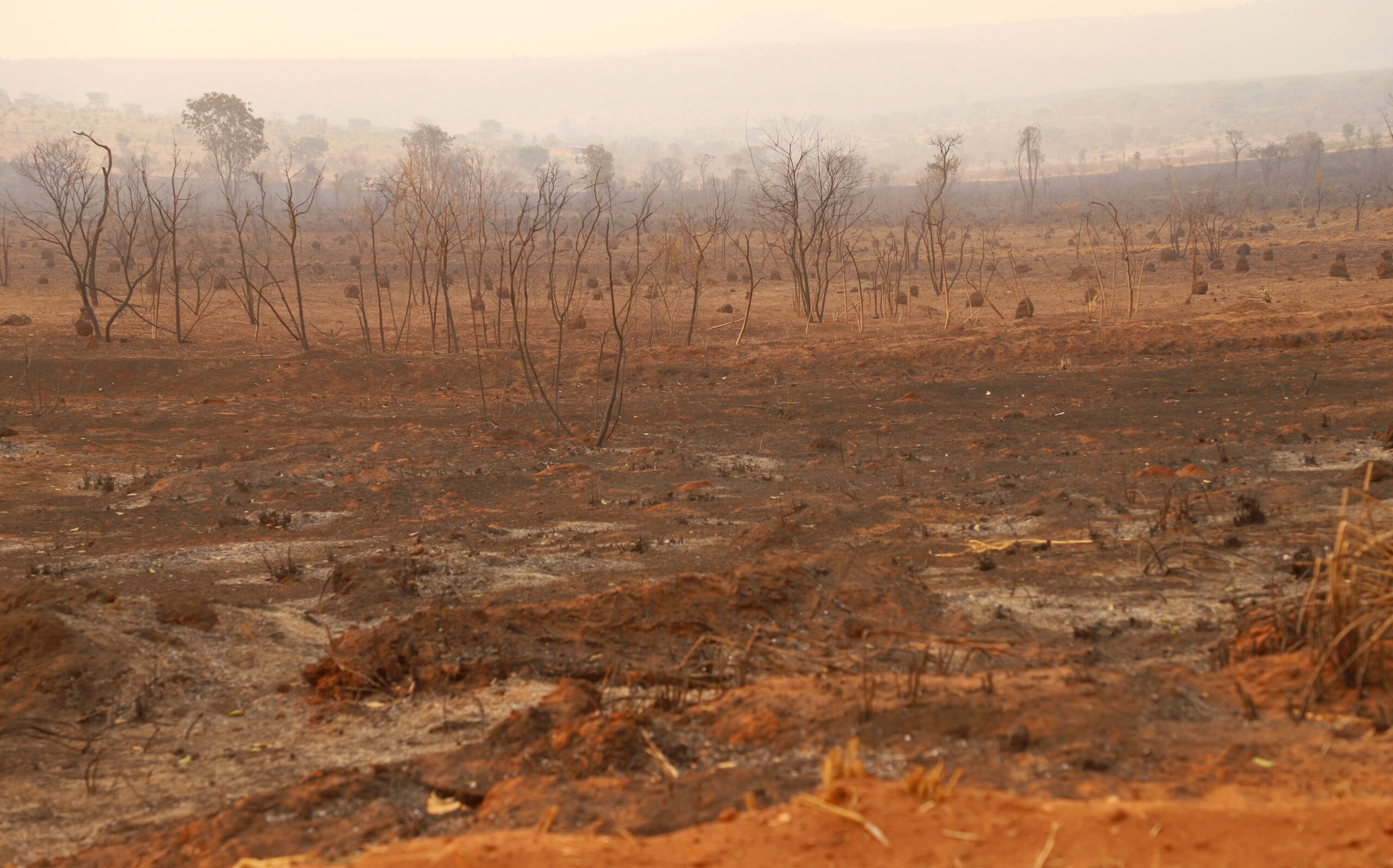
The first report exposes the role of major banks and investors in accelerating deforestation, biodiversity loss and rights violations through their financial policies. It shows that 307 billion US dollars are being channelled by major financial institutions into products that endanger forests, resulting in widespread destruction of tropical forests.
Betting on the collapse of biodiversity
As tropical rainforests harbour a significant proportion of the world’s terrestrial biodiversity and are critical to climate stability, their threat from extensive agriculture and logging poses a serious risk. Despite known devastating social and environmental impacts, the financial sector is behind the scenes supporting global deforestation by financing agribusiness and timber companies.
The ‘Banking on Biodiversity Collapse’ report presented at COP28 by the Forest and Finance Coalition analyses the flow of money into the forestry sector from 300 companies from six sectors that are responsible for most deforestation in the tropics: Beef, palm oil, pulp and paper, rubber, soya beans and timber. It describes how banks and investors drive deforestation, biodiversity loss, climate change and human rights violations through their financing. The financial sector promotes problematic actors through insufficiently transparent sustainability promises and thus contributes to the extinction of species.
Banks and financiers invest billions in forest destruction
A study of over 100 financial institutions revealed that financial flows into the forest-degrading commodities sector originate predominantly from banks in Brazil, Indonesia, China, the US and Japan, accounting for 73% of loans granted since 2016. In addition, these banks have lent at least USD 307 billion between January 2016 and September 2023, while institutional investors hold shares worth USD 38 billion.

The analysis reveals that financial institutions’ guidelines for minimising risks to forests and communities are inadequate. Financing is often provided without necessary safeguards, leading to deforestation and social and environmental damage. Case studies of JBS, Cargill, Royal Golden Eagle and Sinar Mas Group reveal negative customer behaviour supported by banks, including land grabs, rights abuses and relentless deforestation. Despite growing evidence of the damage caused, banks and investors appear to favour highly profitable business relationships.
Systemic solutions are needed to halt the collapse of biodiversity. The financial sector must recognise its role in environmental degradation. Governments and financial institutions must act to address the climate and biodiversity crisis. This report calls for government intervention and strong regulations in the financial sector to protect societies and ecosystems.
We call on governments and the financial sector to follow five basic principles: Halt biodiversity loss, respect the rights of indigenous peoples and local communities, promote just transition, ensure ecosystem integrity and align cross-sector goals.
At a time when the world is experiencing catastrophic climate impacts and vital ecosystems are on the brink of collapse, ‘business as usual’ is no longer an option.
Sign the petition, click here!

More Articles

Banking on Disaster: The explosive report revealing how banks are financing climate catastrophe
The ‘Banking on Climate Chaos 2023’ report, published in April 2023, is the most comprehensive analysis of the banking sector in the context of fossil fuels to date. The fourteenth annual edition analysed the financing and policies of the world’s 60 largest fossil fuel banks.
Is TNFD a solution to the biodiversity crisis?
Humanity is in the midst of a biodiversity crisis that threatens the foundations of organized human society.