
Is TNFD the solution to the biodiversity crisis?
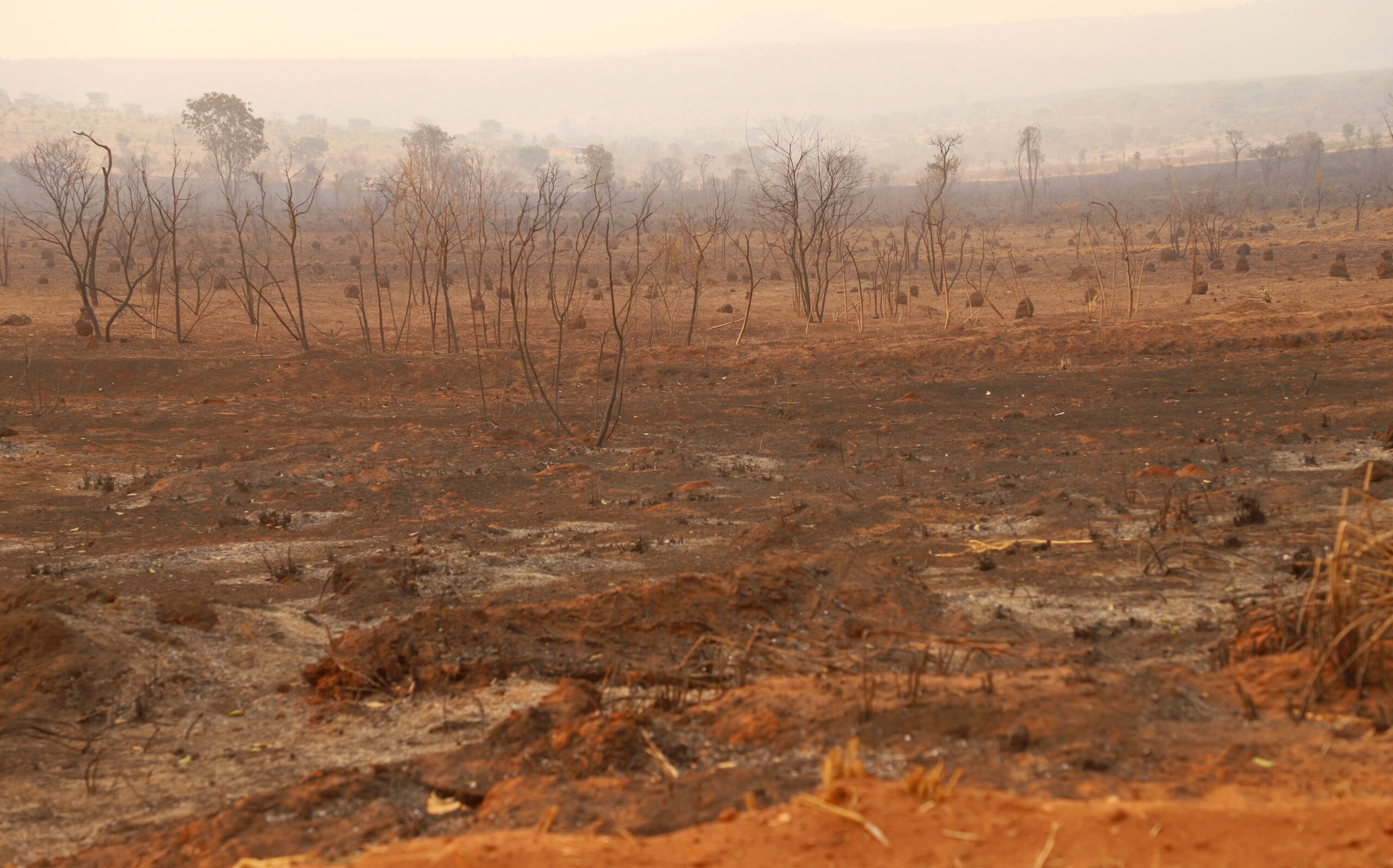
We are in the midst of a biodiversity crisis that is threatening the pillars of organised human society. Almost three quarters of the Earth’s surface is now degraded and an estimated one million species are on the brink of extinction.
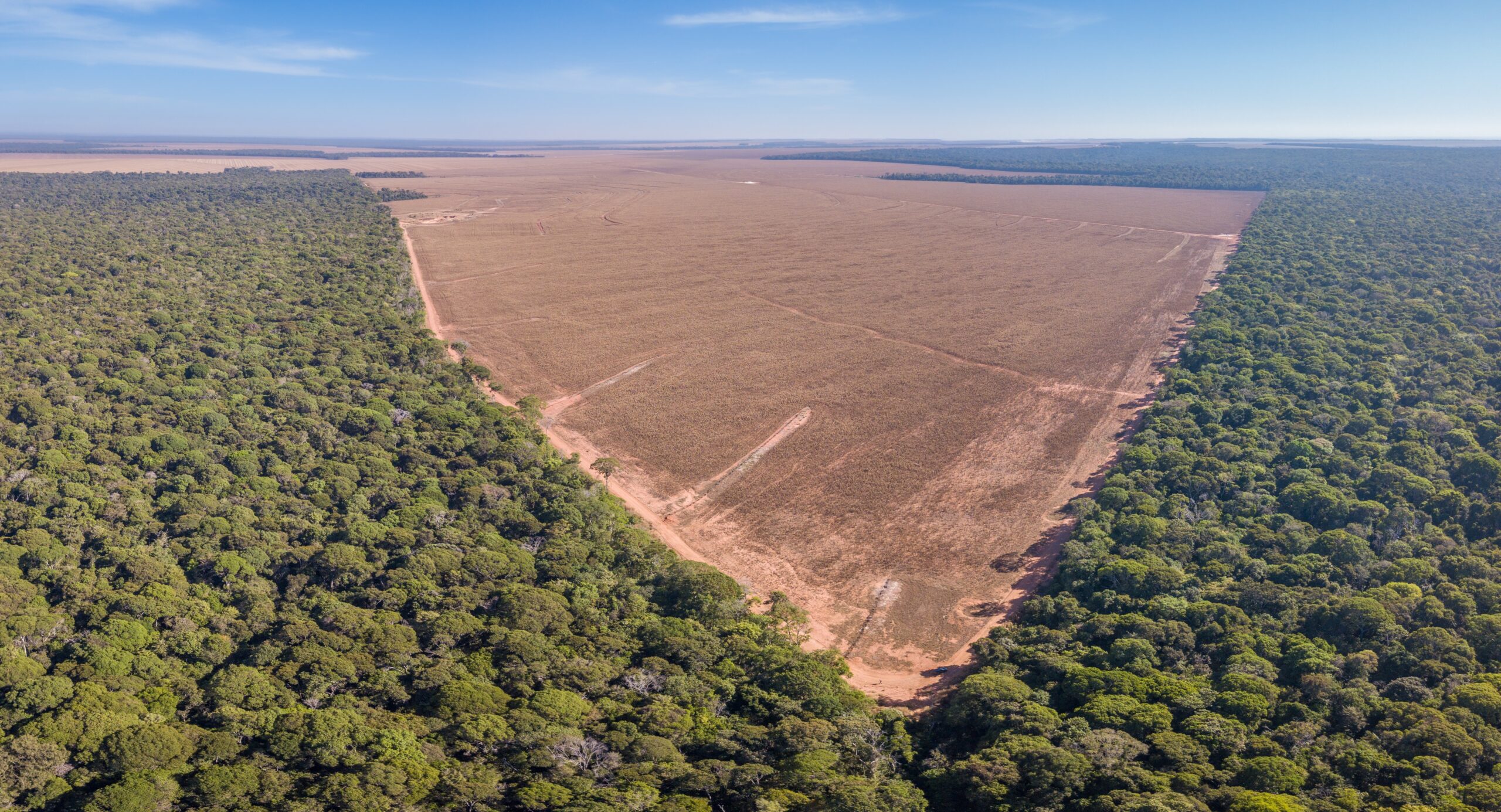
This loss of biodiversity is undermining the resilience of global ecosystems, on which more than half of the world’s economy depends – an estimated US$44 trillion of global GDP is dependent on ecosystems destroyed by profit-driven practices such as overfishing, deforestation and industrial monocultures.
A market-based solution
TNFD, a corporate disclosure system similar to the Task Force on Climate-related Financial Disclosures (TCFD), aims to quantify the financial risks of biodiversity loss. It assumes that companies that are exposed to or cause greater financial risk from biodiversity loss will face increasing costs as investor confidence declines and public and regulatory scrutiny increases.

While regulators in countries such as the US, UK, France and Canada are proposing mandatory climate change disclosure requirements equivalent to TCFD, TNFD is expected to become a similar standard for biodiversity disclosure with the support of the United Nations. Despite its good intentions, TNFD is a private sector initiative and therefore primarily reflects the interests of business. It consists of 40 executives from multinational companies, including those that contribute significantly to environmental degradation.
Attempts by the private sector to self-regulate
Although well-intentioned, the TNFD is purely a private sector invention and as such reflects the interests of the companies it is intended to regulate. Companies that are causing the biodiversity crisis. The TNFD is made up of 40 executives from multinational corporations such as Bank of America, one of the world’s largest fossil fuel financial institutions, and BlackRock, the world’s largest investor in deforestation.
i
This task force, made up predominantly of wealthy white members, has been closed to input from environmental activists and frontline communities – including Afro-descendants, farmers, indigenous peoples, women’s organisations and youth movements – since its inception in 2021. This reluctance is reflected in serious shortcomings of TNFD:
– TNFD site reports are so vague that impacts cannot be attributed to specific communities.
– Conflicts over natural impacts, such as deforestation, are not addressed.
– Companies only need to consider those risks that they consider material to their financial stability.
– Data collection methods are not standardised, which makes independent verification difficult and leads to inconsistent data.
TNFD not only fails to adequately measure nature-based risks, but also provides opportunities for companies to disguise their impacts on biodiversity and evade responsibility to affected communities. Instead of activating real regulatory or market forces, TNFD favours greenwashing, which benefits corporations while leaving out communities seeking real solutions. A serious solution to the biodiversity crisis must put equity at its centre. TNFD remains a voluntary system where impacts on biodiversity, whether reported or not, remain without consequences. Even if TNFD were to become mandatory in certain jurisdictions, this would not change the fact that companies can continue to profit from environmental damage. The lack of inclusion of frontline communities in TNFD analysis precludes effective justice pathways when natural damage harms communities.
Click here for more information about the brands and banks driving biodiversity loss and here for more information about TNFD
Quelle: ran.org

More Articles

Banking on Disaster: The explosive report revealing how banks are financing climate catastrophe
The ‘Banking on Climate Chaos 2023’ report, published in April 2023, is the most comprehensive analysis of the banking sector in the context of fossil fuels to date. The fourteenth annual edition analysed the financing and policies of the world’s 60 largest fossil fuel banks.
Banks and the collapse of biodiversity
The first report reveals the policies of big banks and investors that are accelerating deforestation, biodiversity destruction and rights abuses. New analysis shows that 307 billion US dollars from major financial institutions are flowing into forest-threatening products, leading to large-scale deforestation of tropical forests.